Featured Publications
-
![]()
Evolution of the Gene Network Underlying Wing Polyphenism in Ants
Why are queens winged while workers are not? This research uncovered how developmental changes shaped one of the most important innovations in ant evolution, helping fuel the remarkable success of ant societies.
-
![]()
Past climate change on Sky Islands drives novelty in a core developmental gene network and its phenotype
Arizona's Sky Islands provided a natural experiment for exploring how populations adapt to environmental change. By comparing isolated ant populations, this research uncovered new insights into the predictable—and surprising—patterns of evolution.
-
![]()
Ancestral Developmental Potential Facilitates Parallel Evolution in Ants
This landmark study revealed that ants can retain hidden developmental potential for millions of years, allowing long-lost "supersoldier" castes to reappear. The findings provide new insight into how evolution repeatedly generates biological innovation.

Browse by theme:
Title goes here
Abouheif E
Evolutionary Ecology Research / December 1999
When scientists compare traits across species, how do they know those traits are truly independent? This paper introduces a statistical method for testing whether similarities between species may instead reflect their shared evolutionary history—helping researchers make more reliable comparisons across the tree of life.
A comparative analysis of allometry for sexual size dimorphism: assessing Rensch's rule
Ehab Abouheif & Daphne J Fairbairn
The American Naturalist / 1997
Rensch's rule states that sexual size dimorphism increases with body size in taxa in which males are the larger sex and decreases with body size in those in which females are larger. We assess the validity and generality of Rensch's rule within 21 independent animal taxa.
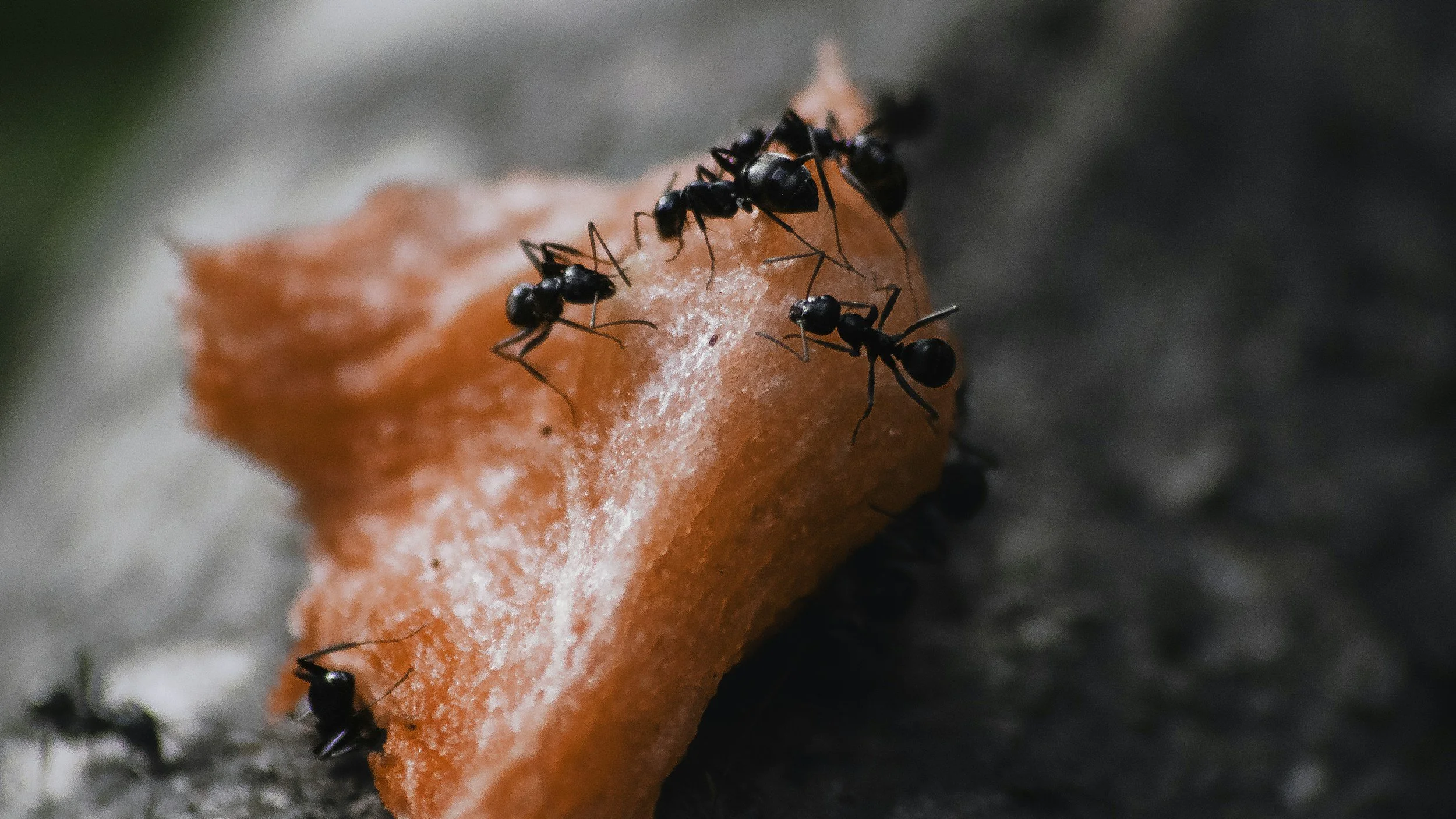
Evolution of the gene network underlying wing polyphenism in ants
Ehab Abouheif & Gregory A Wray
Science / 2002
Wing polyphenism in ants evolved once, 125 million years ago, and has been a key to their amazing evolutionary success. We characterized the expression of several genes within the network underlying the wing primordia of reproductive (winged) and sterile (wingless) ant castes.
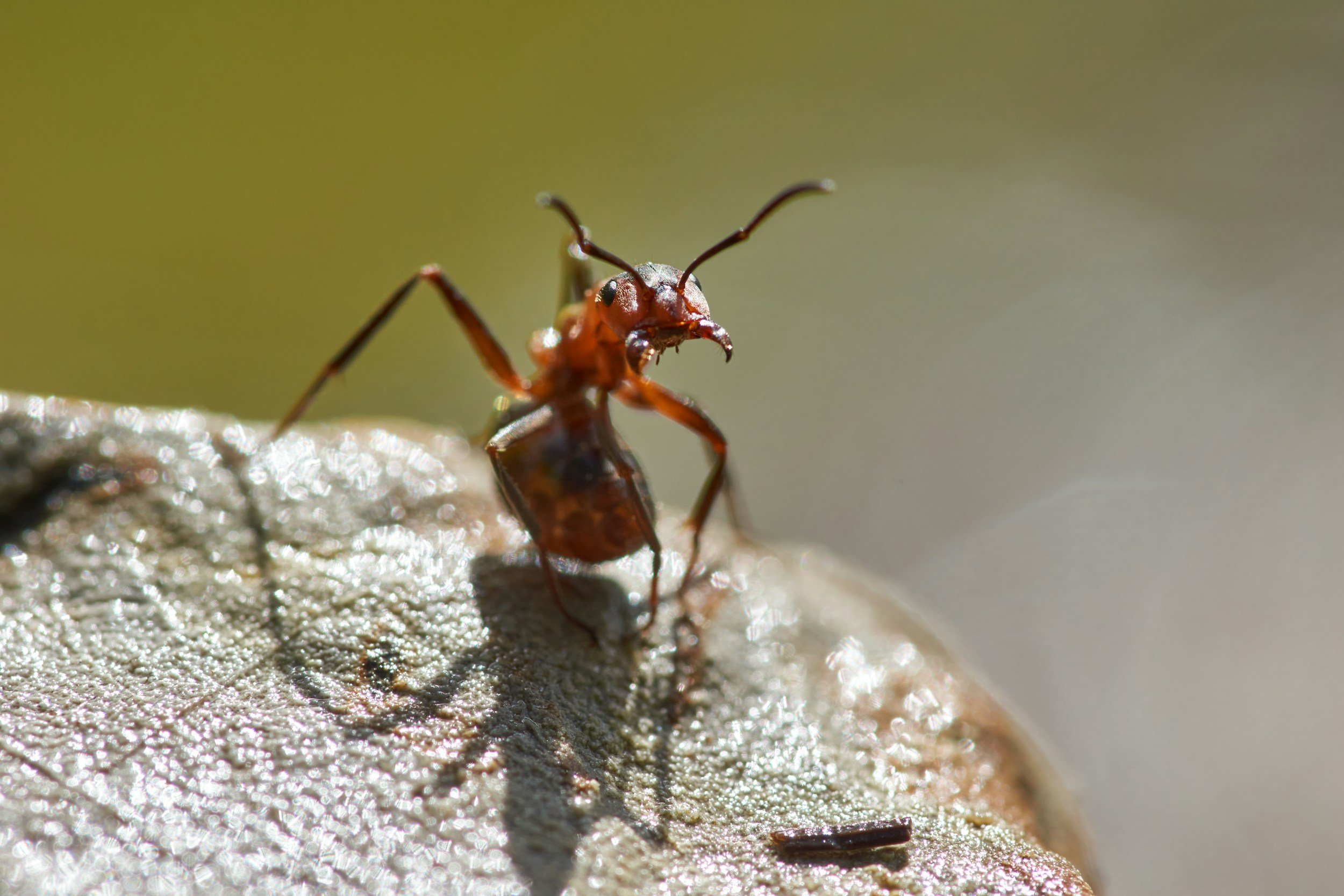
The Role of Developmental Plasticity in Evolutionary Innovation
Moczek AP et al.
Proceedings of the Royal Society B / September 2011
How can a flexible response to the environment become a lasting evolutionary innovation? This review explores how developmental plasticity can create new possibilities for evolution—and how environmentally induced traits may become heritable through a process called genetic accommodation.

The Evolution of Transcriptional Regulation in Eukaryotes
Abouheif E et al.
Molecular Biology and Evolution / September 2003
How do changes in gene regulation help shape evolutionary change? This review explores how differences in the DNA sequences that control gene expression can contribute to evolutionary change—and why understanding these regulatory regions is key to connecting genes, development, and phenotype.
A Method for Testing the Assumption of Phylogenetic Independence in Comparative Data
Abouheif E
Evolutionary Ecology Research / December 1999
When scientists compare traits across species, how do they know those traits are truly independent? This paper introduces a statistical method for testing whether similarities between species may instead reflect their shared evolutionary history—helping researchers make more reliable comparisons across the tree of life.
Where our work has been featured