
Arizona's virgin ant queens could shed light on the predictability of evolution
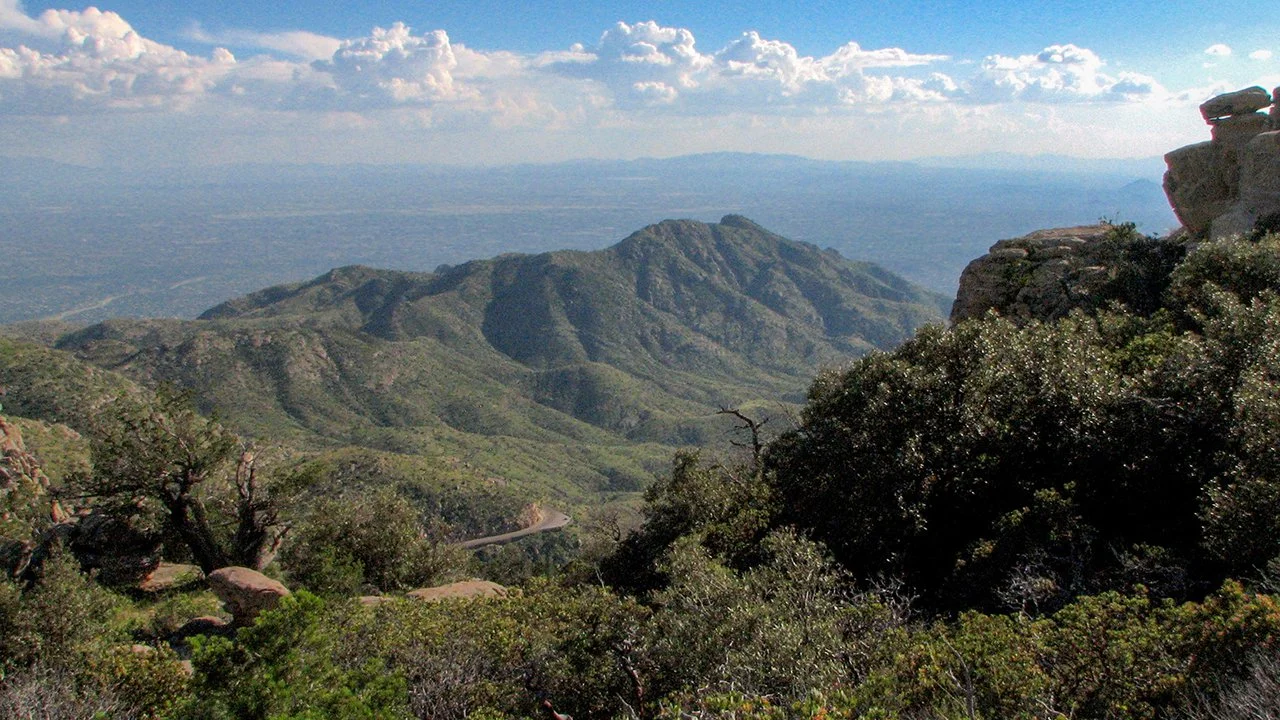
Arizona’s Sky Islands host ants that lost their wings when desert divided their habitat 10,000 years ago. Marie-Julie Favé
Ants separated by climate change lost their wings independently
Arizona's Sky Islands were once connected by forests, allowing winged queen ants to disperse between colonies. As the climate warmed and the surrounding landscape became desert, the mountain populations became isolated. In response, queens across all five Sky Island populations independently evolved the same adaptation—they lost their wings.
To understand how this happened, researchers examined the genetics of each isolated population. They found that while some genetic changes were unique to each group, others were repeated across all five populations, suggesting there are only a limited number of ways to produce wingless queens.
The findings showed that adaptation to climate change is a combination of both predictable and random evolutionary change. By revealing how development and genetics shape adaptation, this research provides new insight into how species respond to changing environments and the evolutionary processes that drive those responses.

About the Abouheif Lab
The Abouheif Lab combines ecology, evolution, and developmental biology to explore how living systems become more complex — and what happens when those systems break down. By studying these connections in nature, the lab aims to develop innovative ideas that can help address challenges ranging from cancer to climate change.
